
How E-Commerce Affects U.S. Surface Transportation

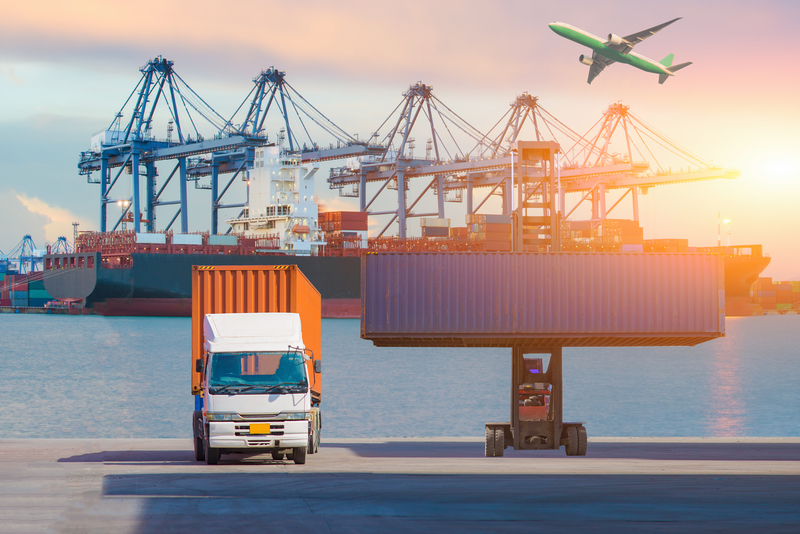
Import and Export Concept: Forklift truck, cargo container and plane at a dock yard against sunrise sky

Without government regulation, the supply chain industry could not exist in its current form. The United States government builds roads and the infrastructure needed to manage traffic on the ground, at sea, and in the air, so it’s natural for government agencies to be involved with every mode of transportation in the supply chain.

As the logistics industry and the world economy evolve, the government updates its regulations to keep up with the times. For example, e-commerce has relatively recently become a major factor in global trade. Now that the U.S. House Subcommittees on Highways and Transit and Railroads, Pipelines, and Hazardous Materials are considering 2020’s update to the Fixing America’s Surface Transportation Act, e-commerce is a concern.

What’s Different About E-Commerce?

E-commerce, specifically business-to-consumer sales, depends on intermodal transportation. In the brick-and-mortar retail model, retail outlets receive items in bulk, and consumers take them from the store to their homes or places of business. In the e-commerce retail model, goods go directly from warehouses to consumers. This final leg of shipping is called the “last mile,” and it represents a different way of thinking about shipping.

The U.S. federal government is a major source of funding for surface transportation projects. Shipping industry leaders are working to ensure that the government approves and builds the right projects to support thriving e-commerce. There are three areas of concern:

1) Collecting Accurate Data
Making better decisions starts with having the best information. Collecting accurate freight data related to e-commerce shipping is the best way to ensure that new projects are meeting the needs of today and tomorrow.

2) Increasing Flexibility
Trusting Congress to manage transportation projects and investment nationwide is a recipe for disaster. Since changes in last-mile shipping trends affect localized areas, building flexibility into federal grants and allowing local governments to manage local projects is a better way to go.

3) Reducing Greenhouse Emissions
The supply chain industry depends on large vehicles like trains, ships, and increasingly due to growing e-commerce, trucks. We often associate these vehicles with greenhouse gas emissions. According to the EPA, they expect the transportation sector to produce over 1,800 million metric tons of CO2 each year. The House subcommittees must consider options that encourage reducing emissions for shipping e-commerce to remain sustainable.

E-commerce has made goods more accessible and life more convenient for people in every corner of the globe, and it depends on efficient logistics to do so. Cooperation between the government and the shipping industry will ensure that e-commerce continues to make an overall positive impact.
The Big Logistics Diversity Challenge: Supporting Inclusion in the Industry

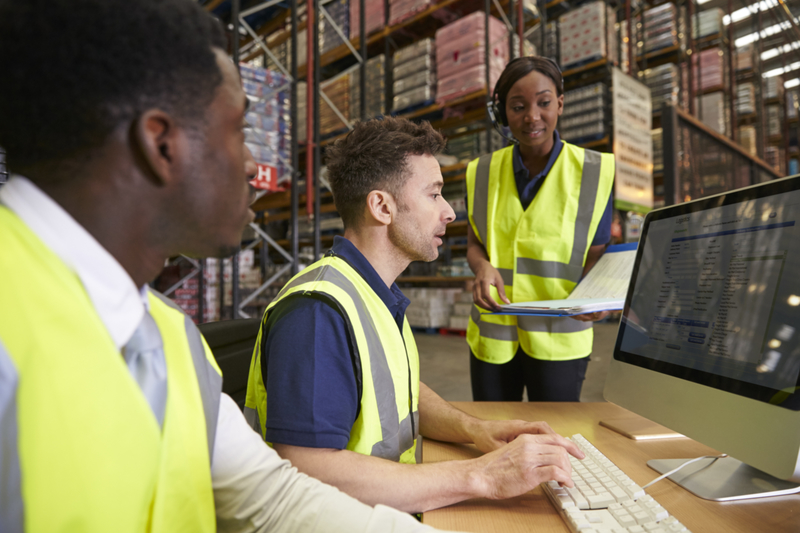
Team managing warehouse logistics in an on-site office

According to the research firm Gartner, women make up 55% of the workforce—and yet, they hold only 37% of jobs in the supply chain industry. The Chartered Institute of Logistics and Transport (CILT), an organization of logistics professionals based in the UK, is working to improve those nu mbers with their event, the Big Logistics Diversity Challenge.

This event will take place for the second time in June 2020 at Newark Showgrounds in Newark, UK. CILT designed the event to promote gender and background diversity in the logistics industry, encouraging teams of all kinds of people to compete in friendly logistics-themed challenges that test their ability to cooperate to solve problems. The Big Logistics Diversity Challenge will also feature speeches by industry leaders and opportunities for networking.

Inclusion on a Large and Small Scale

Logistics is all about managing the transportation of goods, information, technology, or raw materials from one place to another. The industry depends on millions of people in different countries, with different skills, doing their part to make sure an item arrives at its destination safely. Efficient shipping requires cooperation between all kinds of diverse entities—it only makes sense for that global spirit of unity to apply at the smaller company-wide level too.

Why Diversity Matters

Every individual deserves the chance to pursue their interests and use their knowledge and skills to lead productive, fulfilling lives. There are many women and people in other marginalized groups that could be very successful in logistics if they only had the opportunity—to deny them is a disservice to humanity as a whole.

Being inclusive isn’t just the right thing to do—it’s also advantageous economically. Studies have shown that improving diversity in the workforce increases innovation and productivity. Bringing different individuals with numerous viewpoints together increases the chances for new ideas to develop and drive positive change within an industry. More diverse businesses are also better able to attract and keep talent.

Encouraging more minority groups and women to engage in logistics careers can only improve the global supply chain. We look forward to following along with CILT as they make progress toward this goal in the next Big Logistics Diversity Challenge.

An Introduction to the Inter-American Committee on Ports

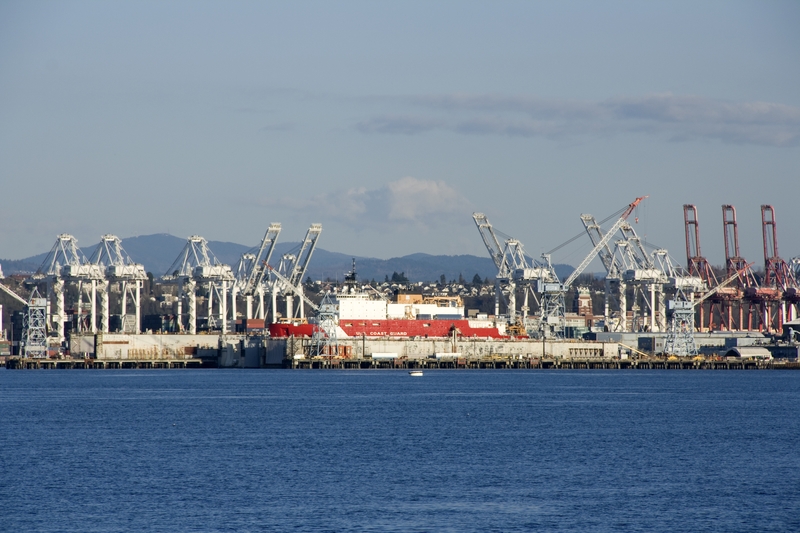
The Port of Seattle on a clear Spring day

The modern world couldn’t function without global trade and shipping. International trade unlocks economic opportunities and gives billions of people access to the items they need at prices they can afford.

International shipping can’t take place without organized ports to help move cargo in and out of a region. Unfortunately, ports have a bad reputation in some circles—they’re undeservedly associated with corruption and inefficiency. The Inter-American Committee on Ports (CIP) is working to change this mindset. It’s the only organization that brings the national port authorities of 35 member countries together to improve shipping and logistics for everyone.

The General Secretariat of the Organization of American States founded the CIP in 2005. It’s primarily concerned with collaboration in the fields of navigation and port sector development. Though CIP’s work focuses on countries in the Western Hemisphere, people around the world feel the impact of its efforts.

What the CIP Is All About:

1) Helping Port Cities Win

The goal of the CIP is to make each port a model of inclusive, secure, and sustainable operations. The organization assists with port development projects in service of this goal. When port cities win, it’s good for everyone.

2) Policy Dialogue

Before policies can change, people need to talk about them. The CIP is committed to fostering a dialogue between different governments and trade organizations in its sphere of influence.

3) Increasing Capacity

Economists expect the importance of global shipping to increase. The CIP is preparing for this by working to enhance the capacity and capabilities of ports around the world. Improving port infrastructure is the best way to achieve this goal.

4) Technical Assistance

Computers and other technology have revolutionized nearly every industry, logistics certainly included. Technology can make ports run more smoothly and efficiently, but only if shipping professionals know how to apply it. The CIP supports programs to educate port employees about new technologies.

5) Cooperation with Private Sector

All too often, the public and private sectors are at odds with each other. Private sector entities would prefer to be left alone to work, while public sector entities are tasked with protecting people, facilities, and the environment. The CIP facilitates communication between members of the public and private sectors and helps them come to an understanding.