
Shipowners Struggle to Find Financing

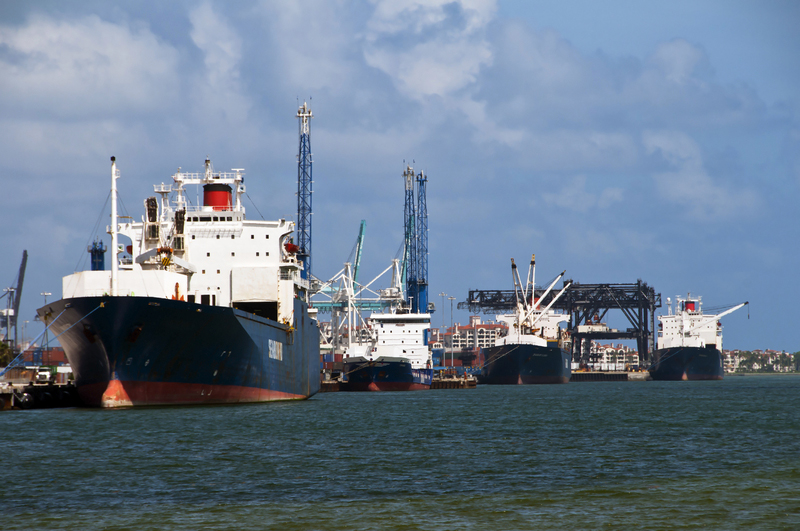
A row of Cargo ships getting loaded at a busy port

Oceangoing cargo ships are expensive. A ship capable of carrying 500 shipping containers can cost $10 million. A large container ship with room for 20,000 shipping containers may sell for more than $100 million. Even the largest shipping companies may struggle to raise this kind of capital, which has historically made financing the most viable option for shipowners. However, periods of uncertainty and global economic downturn have driven many banks out of the market.

Even the lenders who have stayed in the ship financing market are placing stricter conditions on their loans, a trend driven by increasing government regulation and simple economics. Providing funding for shipowners can be risky—a global recession could put a shipper out of business, or the rising cost of fuel could change shipping costs significantly. Many banks are searching for safer investments.

Alternative Financial Providers

No matter what the global economy and the banking industry are doing, shippers still need ships. When traditional financial institutions are reluctant to foot the bill for ship financing, there is an opportunity for other institutions to step in and fill the gap.

How are today’s shipowners dealing with ship financing struggles? Aside from banks and other traditional lenders, there are two important ways that shippers are raising money:

Private Equity
When you get a loan from a bank, you and the lender must agree on the value of what you’re financing and your collateral. In a specialized industry, this can be difficult. Private equity firms have stepped in to fill this need. These specialized lenders understand the risks, rewards, and volatilities of the shipping industry and plan their investments accordingly.

IPO
Any company that needs to raise capital may turn to selling shares of stock. This strategy can work well for large companies, but it has a history of mixed results. Investing in a small shipping company may involve more risk than many investors will accept.

Sustainable Shipping

Corporate responsibility is a serious concern for many businesses. Shipping uses large amounts of fuel and can generate a lot of pollution. This is a problem for many investors concerned about climate change and other environmental damage. Many lenders attach requirements for Economic, Social, and Governance (ESG) reporting standards to ensure that shippers are making efforts to operate sustainably.

The Decline in American Air Cargo Trade

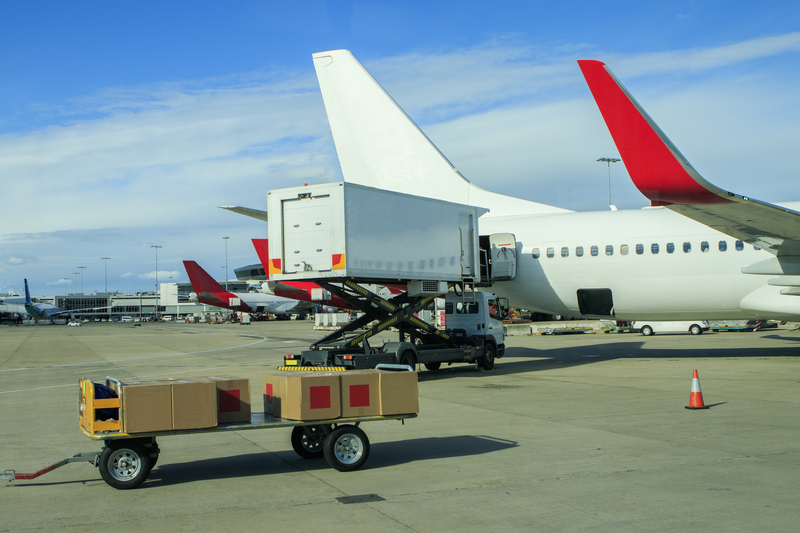
Cargo plane loading commercial product in airport

In the U.S., air freight forwarding is on the decline. According to the International Air Transport Association, the global demand for air freight declined by 3.8% in Q3 of 2019.

Growing Capacity, Falling Demand

The cost of a typical cargo plane is around $200 million. Shippers don’t invest in new aircraft without extensive research and planning. Like many capital investments, businesses plan these purchases years in advance. Unfortunately, global economics operate on a much tighter schedule. Between 2009 and 2014, global exports ballooned, prompting many shippers to order new aircraft. Now, as shipping has declined, FedEx, UPS, and Amazon are taking delivery of aircraft ordered three to five years ago. This has put increased pressure on the entire air cargo industry.

Trade Wars

Continuing disputes over global trade imbalances have driven an overall downward trend in global trade. Chinese imports are a good barometer. According to the U.S. Census Bureau, we are importing nearly 9% less volume of cargo from China in 2019 compared to 2018. The reduction is equivalent to nearly 100 fewer cargo flights every month.

Consumer Confidence

Even as US unemployment has declined to historic lows, consumer confidence remains shaky. The Conference Board reports that after nearly two years of relative stability, consumer confidence has fallen. They reported a 9% decrease for the month of September 2019.

Alternatives to Air

In terms of speed, air freight wins hands down. However, speed isn’t the only consideration. The fuel costs for air freight make it too expensive to be economically viable for everyday shipping.

Despite the decline in the U.S. air trade in recent years, shippers are continually pursuing ways to make the process more efficient in terms of time, labor, and fuel costs. The trends are clear:

  • The unstable price of fuel is driving aircraft manufacturers to improve efficiency.
  • Technology is improving the management, loading, and operation of cargo aircraft.

Global trade isn’t going away. Once the current trade disputes and other negative aviation trends blow over, consumers all over the world will again demand the inexpensive consumer goods that only global trade can deliver.

Freight Forwarders Fight Wildlife Trafficking

Tiger running in water

Wildlife trafficking has always been an issue, but over the last few decades, it’s escalated to an international crisis. Both governments and nongovernmental organizations around the world are starting to place increased focus on the prevention of wildlife trafficking.

Why all the fuss? Wildlife trafficking harms endangered species and is a potential threat to global security. When we bring animals into a different environment, it’s impossible to predict the outcome. Consider the case of the European starling in the United States. This bird didn’t have a presence in the U.S. until 1890, when a few breeding pairs were introduced to New York’s Central Park. Today, you’ll find starlings by the millions in every corner of the country. These birds found few natural predators in the U.S. and forced many native species to the brink of extinction. Every year, European starlings cause hundreds of million dollars in damage to agricultural concerns.

The Department of Justice is committed to illegal wildlife trade prevention. This agency works with international partners to stop this trade.

What’s Driving Wildlife Trafficking?

Wildlife trafficking is big business. According to the World Economic Forum, this illegal industry is worth about $23 billion worldwide.

Exotic Pets
Some wild animals are imported because people want exotic pets. While having a pet tiger or alligator may sound like a good idea for a James Bond villain, it rarely works out well.

Traditional Medicine
Some traditional medicines depend on animal ingredients. However, most of these treatments have never been proven effective by any scientific study.

Unusual Foods
Sometimes, wild animals are imported for food. Everyone’s heard of shark fin soup, for example. Fishermen routinely kill sharks to harvest their fins and satisfy the demand for this dish. The saddest part is that the sharks’ fins add very little to this soup, which is usually made of chicken broth.

Fortunately, it’s not just governments that have the power to curtail wildlife trafficking. The International Federation of Freight Forwarders Associations (FIATA) has teamed up with TRAFFIC, a wildlife trade monitoring organization, to develop freight forwarders’ strategy for combating wildlife trafficking. Together, they’re offering freight forwarders a free course on wildlife trafficking prevention to educate shipping professionals about protecting themselves from accidentally smuggling wildlife and reporting identified crimes. Members of the shipping industry are uniquely positioned to spot, report, and ultimately end wildlife trafficking.